
In a season with lots of ups and downs, Nervion experienced another peak on the rollercoaster. Their tense victory this past weekend against Athletic Club has given the team some much-needed oxygen on the table. After a rough January, the game felt like a return to form for Matias Almeyda’s men. The Sanchez Pizjuan Stadium crowd hummed and cheered with renewed energy, the way they do when a match tilts back and forth the way they love.

It was also a night built on academy legs. As Sevilla’s club communications highlighted afterwards, Almeyda played a total of seven homegrown players throughout this game. Juanlu Sanchez, Carmona, Kike Salas, and Isaac Romero started the game, while Andres Castrin, Oso, and Manu Bueno were subbed on later.
Sevilla’s current use of academy talent could set the club on a different trajectory to the one that led to their successes of the last two decades. Utrera has produced some great players who impacted the story of Sevilla and Spanish football – Jesus Navas, Jose Antonio Reyes, Antonio Puerta, Sergio Ramos – but Sevilla’s glory in the 21st century was chiefly built through Monchi’s transfer alchemy. Sevilla dominated inefficient markets, especially in France and Portugal, buying undervalued talent and selling it on to cash-rich clubs. This edge has eroded in the last 15 years as the Premier League’s spending power and data-driven global scouting swallowed up the grounds that Sevilla used to hunt for talent.
Sevilla has struggled to adapt to this new reality. And unless you’re one of the richest clubs in the world, it does not take too many mistakes to send a club from the top positions in the table into a relegation scrap – as Sevilla have seen. Their margin of error is much smaller than it was in the 2000s or 2010s.
Almeyda keeps the ship steady
Into this instability walked Almeyda, equal parts pragmatist and motivator. He understands that this Sevilla squad is not as talented as the one in previous decades, and he understands the higher-tempo football the crowd of Nervion loves. Almeyda’s approach has focused on collective work, tightened the spacing between the lines and made Sevilla harder to play through. Almeyda has done well in getting the entire team to buy into this style of play. Even veterans like Alexis Sanchez do their best to cope with the pressing demands of the coach.
Almeyda’s approach sees the team press intensely from a medium block. Their defensive line is not particularly high compared to other teams in La Liga, but according to Opta Analyst, they have second lowest passes allowed per defensive action (PPDA).
Matías Almeyda, Sevilla’s head coach, about Alexis Sánchez:
“Alexis is football, he’s joy. He’s not on his phone all day. He talks to you about football, about plays, about players. I’m very grateful he came.
He’s one of the shortest yet wins balls in the air. He’s not the… pic.twitter.com/VYEPWP3Mjk
— The Footy Section (@FTBLsection) January 28, 2026
The team’s core players reflect this identity. Odysseas Vlachodimos has not necessarily created miracles, he’s provided stability at the goal. The midfield unit of Djibril Sow, Batista Mendy, and Lucien Agoume has become the engine room of Almeyda’s intense defensive approach. And up front, Nigerian big man Akor Adams plays well off an Isaac Romero who brings some link-up play and defensive intensity.
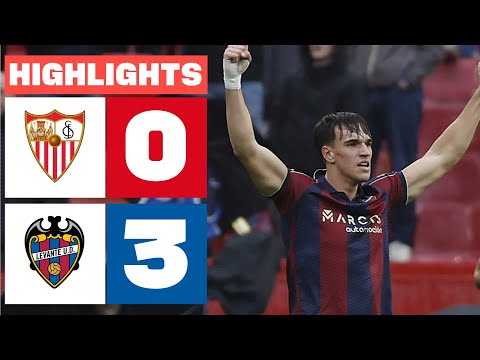
Despite having a solid tactical identity, Sevilla’s squad has its limitations, and that is duly reflected in inconsistent results. The pendulum has swung all the way from a 4-1 dismantling of league leaders Barcelona, to a 0-3 crash-out against relegation contender Levante.
However, if Almeyda can continue to convince the players to work hard and press, Sevilla should be at least able to remain in mid-table positions. Sevilla’s real limitation as a club comes from the front office.
The true chaos beneath: Clubs politics and finances
Hovering above the Sevilla’s ups and downs on the pitch is the long-running family civil war between Jose Maria del Nido Benavente and his son, current club president Jose Maria del Nido Carrasco. The tension of this feud has filtered into everyday club operations: executives hesitate, departments work under shifting priorities, and longterm planning has been repeatedly disrupted.
Financially, the ground has been unsteady for a while. The 2024/25 accounts approved in December 2025 showed ~€54m in losses, following an even larger deficit in 23/24. The board headed by del Nido Carrasco pointed to missing European revenue, falling TV income, and underperforming transfer sales as core drivers of the club losses.

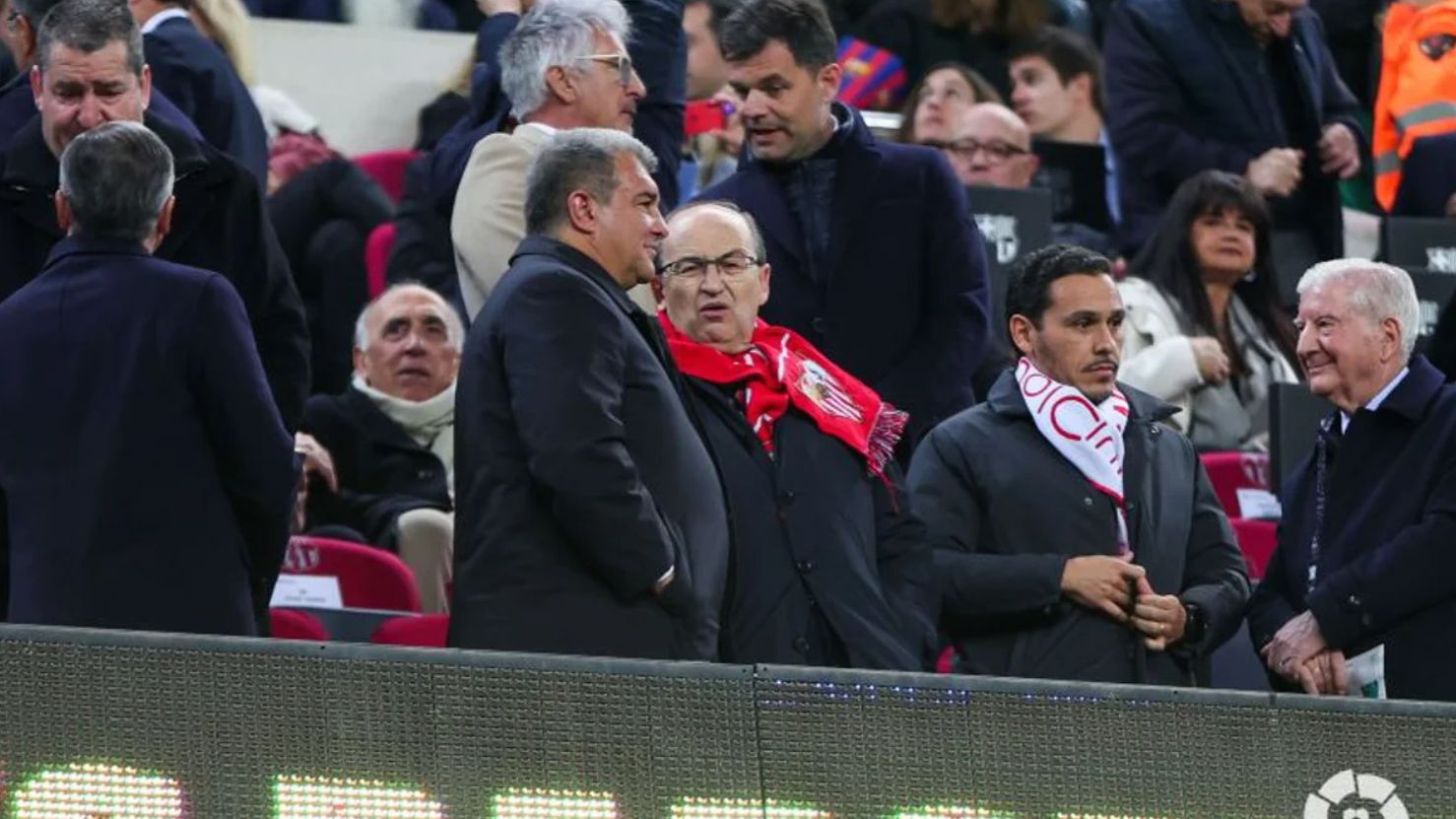
In a way, it was already a small miracle that these accounts were approved, since every board meeting of the last few years had turned into a dispute on whether del Nido Benavente can vote or not. This time around, it seems del Nido Carrasco made enough alliances with other smaller Sevilla shareholders to get not only the 2024-25 financial accounts approved, but also the ones of the previous three seasons, which had stuck in political limbo.
This doesn’t necessarily help the popularity of del Nido Carrasco’s board, who were constantly booed and insulted throughout the meeting. However, it certainly helps set the stage for the arrival of new investors. As the club losses and debts accumulate, the current board sees a sale as the only viable ‘escape hatch’ from a future bankruptcy.
The return of Sergio Ramos
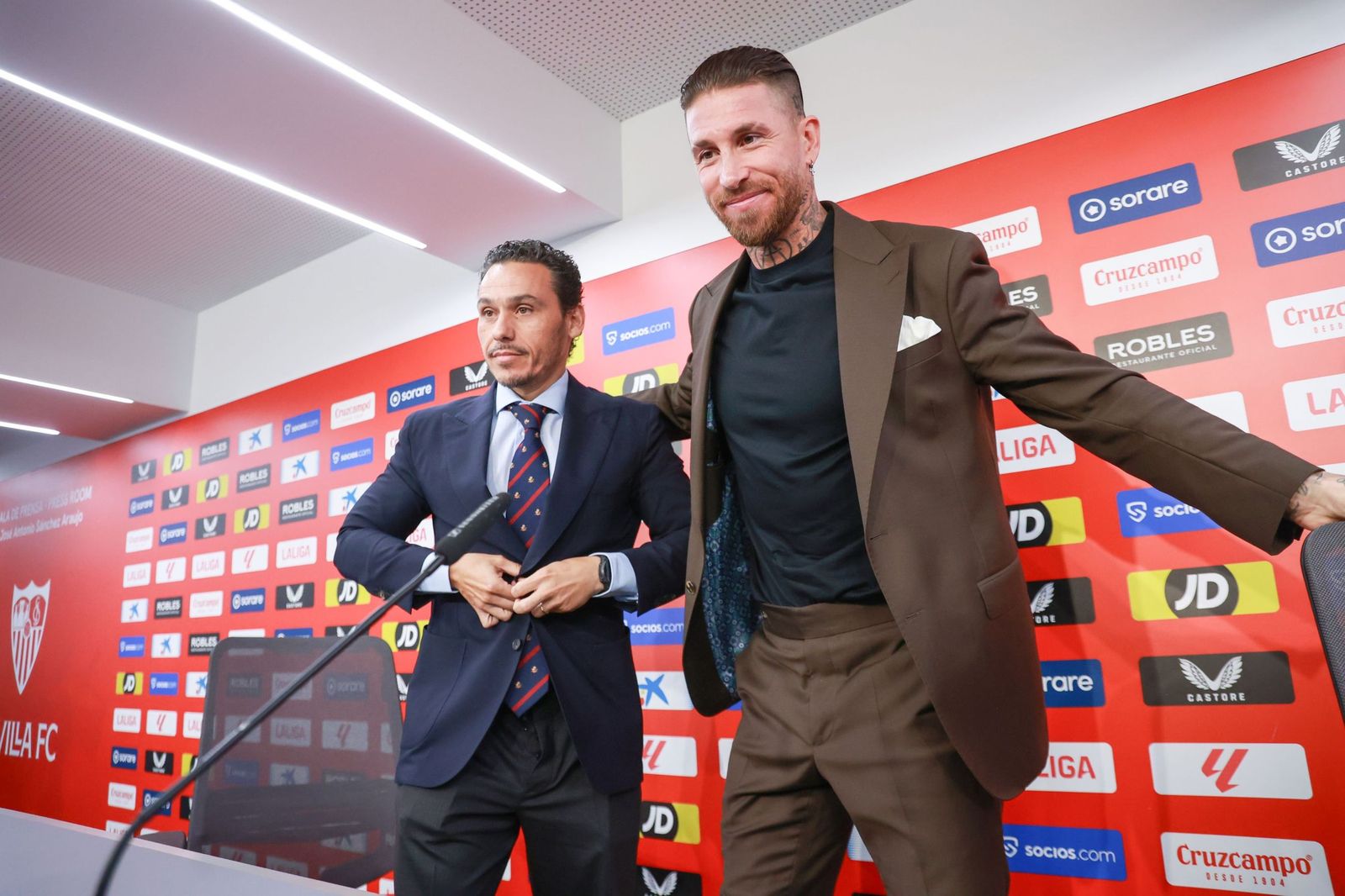
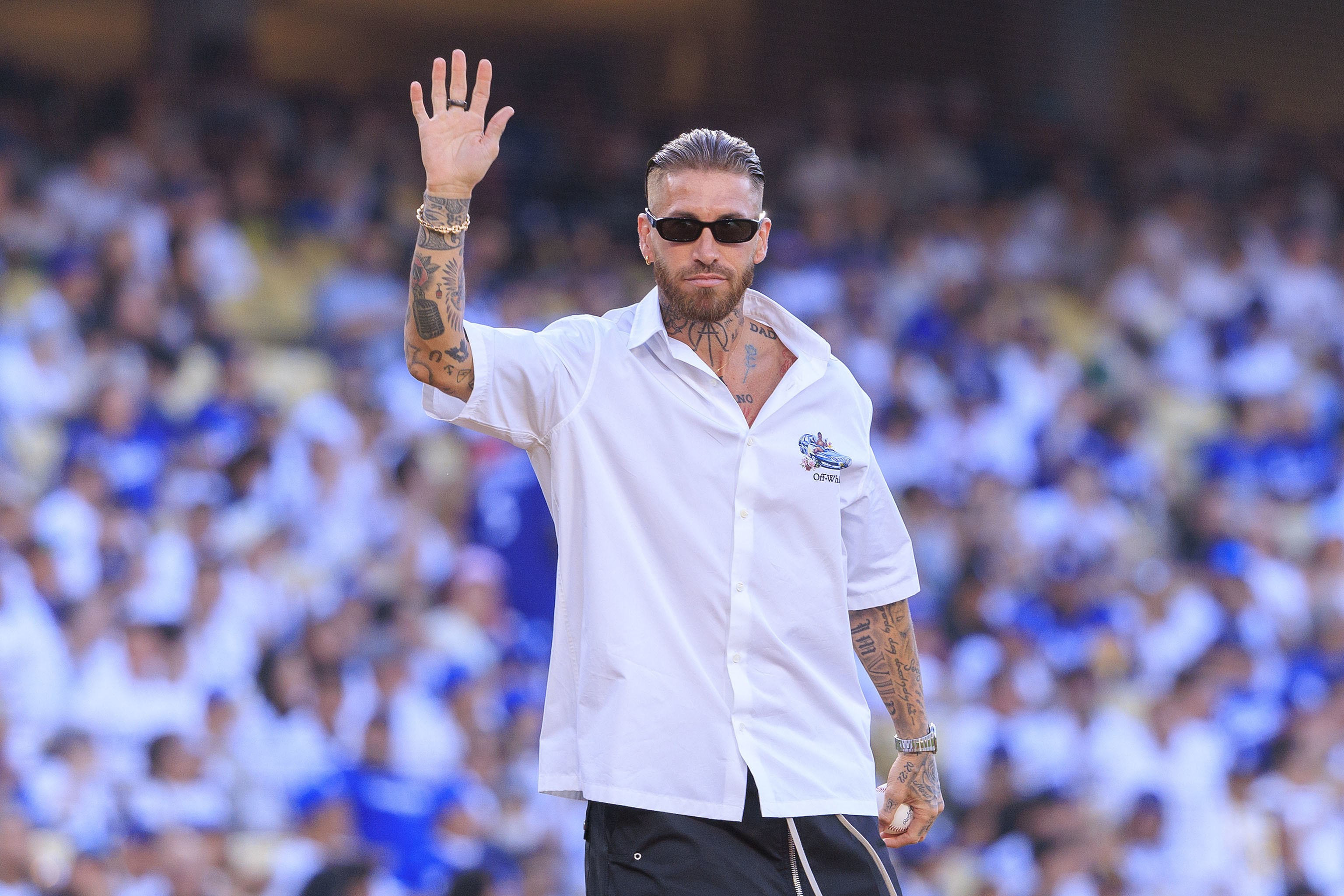
The explosive news of the week is that prodigal son Sergio Ramos has been plotting a return to the club, but this time to the owner’s box rather than the pitch. A consortium led by Ramos and his partners in Five Eleven Capital signed a Letter of Intent with key Sevilla investors to purse a takeover of the club valued at around €450m. The deal gives Ramos’ consortium a three-month exclusivity period so that they can conduct their due diligence and audit the club’s account.
Ramos is the face and symbol of the bid, but the financing comes from across the Atlantic. The Spanish firm, Five Eleven Capital, has acted as a bridge between Ramos and American investors. Interestingly enough, Sevilla’s current sporting director, Antonio Cordon, was Five Eleven Capital’s football director for a year before joining Sevilla, so was likely a key figure in bringing about the alliance.
The bid is intended to buy out the current warring shareholders (the del Nidos and Castros) and inject immediate liquidity to pay off high-interest short-term loans. Part of the project involves also a capital expansion like the ones carried out by Atletico Madrid or Real Betis. This would allow the club to raise their salary cap and allow them to buy players again without having to sell their best youngsters every year. The final price, structure, and equity injection hinge on due diligence, and especially on how Sevilla’s liabilities are classified.

However, Sevilla’s largest stakeholder, del Nido Benavente, had mentioned in previous weeks that Ramos and his partners had not contacted him about the bid. Without del Nido’s collaboration, it will be much harder to get any traction.
Ramos might not be the most unifying figure in Nervion, but it’s hard even for his detractors to question his love and dedication for the club at this stage. For now, the Ramos consortium seems to be in the pole position to put an end to Sevilla’s current leadership feud.
Hope and uncertainty in the future
Emotionally, Sevilla fans are navigating a sea of recalibrating expectations. They are used to European nights and big knockout runs, but it will take the club several years of financial cleansing and good movements in the transfer market to get back into the Eurozone. Meanwhile, the current club victories must focus on the steady work advocated by Almeyda and small steps: academy debuts, resilient performances, signs of tactical cohesion.
In this slow but steady recovery, the academy can hopefully play a bigger role than it did in previous decades. If sales are necessary, then youth minutes aren’t just romantic, but also a more sustainable strategy. Sevilla may not be returning to its past blueprint, but it may be discovering a new one to move forward.
Source From: Latest Spanish Football News | La Liga | Football Espana
Source link
- Empowering Entrepreneurs with WindigiMarketing: A Guide to Online Success
- Navigating Affiliate Marketing Success with WindigiMarketing.com
- Sonic Review – The World #1 App Allows You To Launch Your Own AI Streaming Platform Preloaded With Over 100 Million Artists, Playlists, Podcasts, Genres, Audiobooks & Radio Channel And Tap Into 600 Million Paid Members!
- Voixr Review – The #1 Emotional-Based-Human-Like Voice Cloning AI Powered App Cloning and Speaking In 1,800+ Voices With 144 Native Languages Instantly Without Recording or Any Tech Skills!
- SiteRobot AI Review – The #1 AI-Powered App Let Us Build Complete Websites + Contents Instantly By Using Just Your Keyword!