
MILAN, ITALY – FEBRUARY 24: Davide Frattesi of FC Internazionale Milano heads the ball during the UEFA Champions League 2025/26 League Knockout Play-off Second Leg match between FC Internazionale Milano and FK Bodo/Glimt at Stadio San Siro on February 24, 2026 in Milan, Italy. (Photo by Marco Luzzani/Getty Images)
Inter’s Champions League campaign has come to an end after a 2-1 defeat at home against Bodo/Glimt, which sealed a 5-2 aggregate scoreline in the play-off round, but why did last season’s finalists find it so difficult against the Norwegian minnows?
Inter already had their work cut out for them in the second leg of their Champions League play-off tie following their 3-1 defeat against Bodo/Glimt in Norway last week.
That result left them needing a three-goal victory to qualify for the round of 16, but in the end, Cristian Chivu’s side were only good enough for a 2-1 defeat on home soil. Jens Petter Hauge and Hakon Evjen gave Bodo a 2-0 lead in the second half on Tuesday night, before a 70th minute consolation goal from Nerazzurri centre-back Alessandro Bastoni.
Inter 1-2 Bodo/Glimt (agg. 2-5): The damage was already done

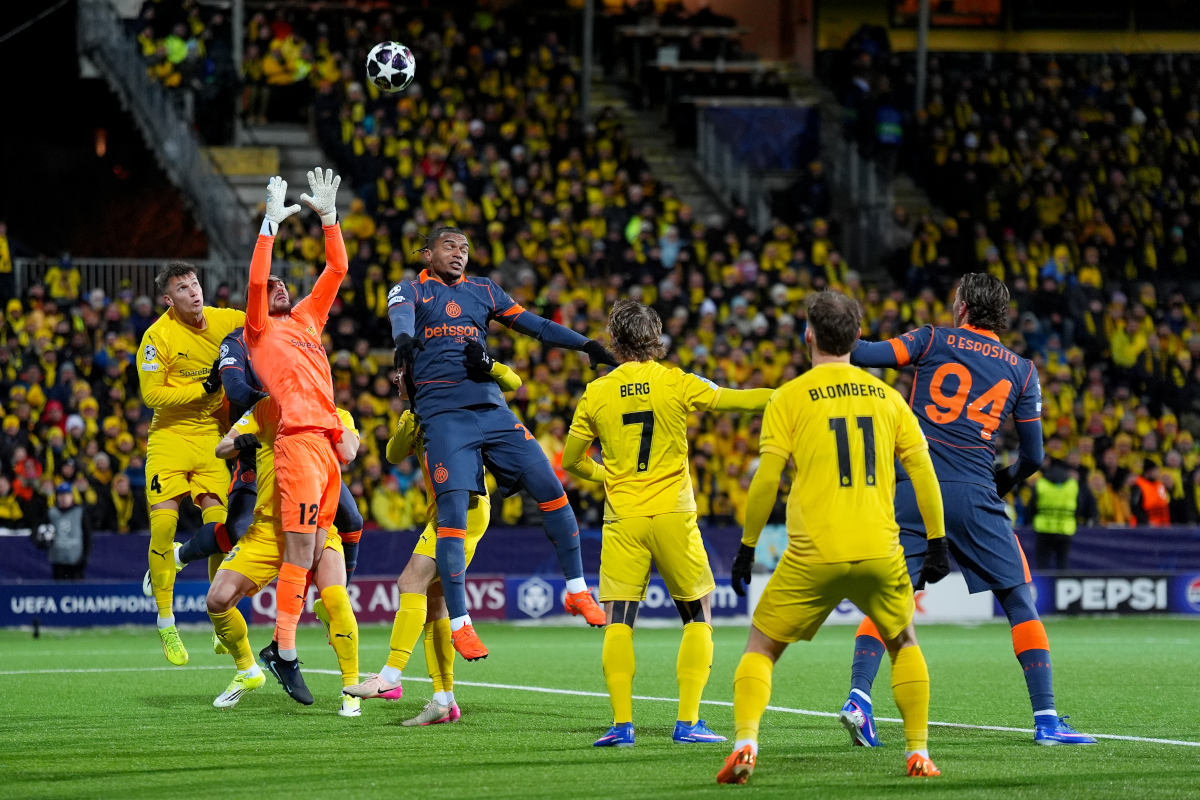
Of course, a large part of the reason why Inter failed to qualify for the Champions League round of 16 was because of their result against Bodo/Glimt in Norway last week. There were plenty of references to the artificial pitch and the sub-zero temperatures at the Aspmyra Stadion, which sits north of the arctic circle.
There were also some questions over Cristian Chivu’s team selection during the first leg when he decided to rest the likes of Marcus Thuram and Federico Dimarco in order to have them fresh for a Serie A match against Lecce, when Inter were already seven points clear at the top of the domestic table. (The Nerazzurri have since gone 10 points clear after the weekend’s league matches).
But still, Inter were expected to put Bodo/Glimt to the test when they visited the iconic San Siro on Tuesday evening, so why did the Nerazzurri fail to beat the Norwegians on the night?
1. Absences and underperforming stars
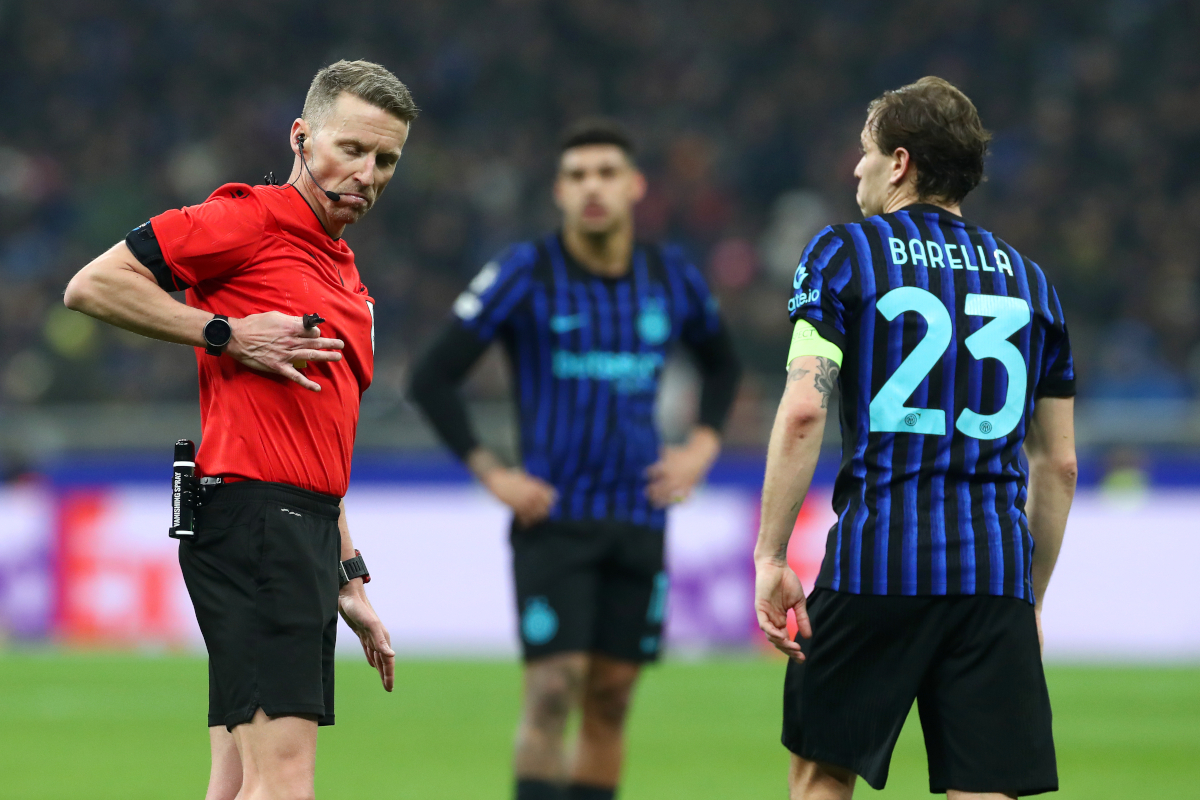
The obvious excuse is to point to the star players that Inter did not have available. Captain and leading goalscorer Lautaro Martinez was injured during the first leg in Norway last week, Hakan Calhanoglu was not available in either fixture, and Denzel Dumfries was only fit enough for a 10-minute run out at the end of the second leg.
Other stars, particularly Nicolo Baerlla, have come under criticism for their lack of form over the last few weeks and in the Bodo/Glimt matches specifically.
La Gazzetta dello Sport have labelled Barella a ‘problem’ and point to the fact that his goal contributions appear to be diminishing year on year.
2. Failure to break down the low block
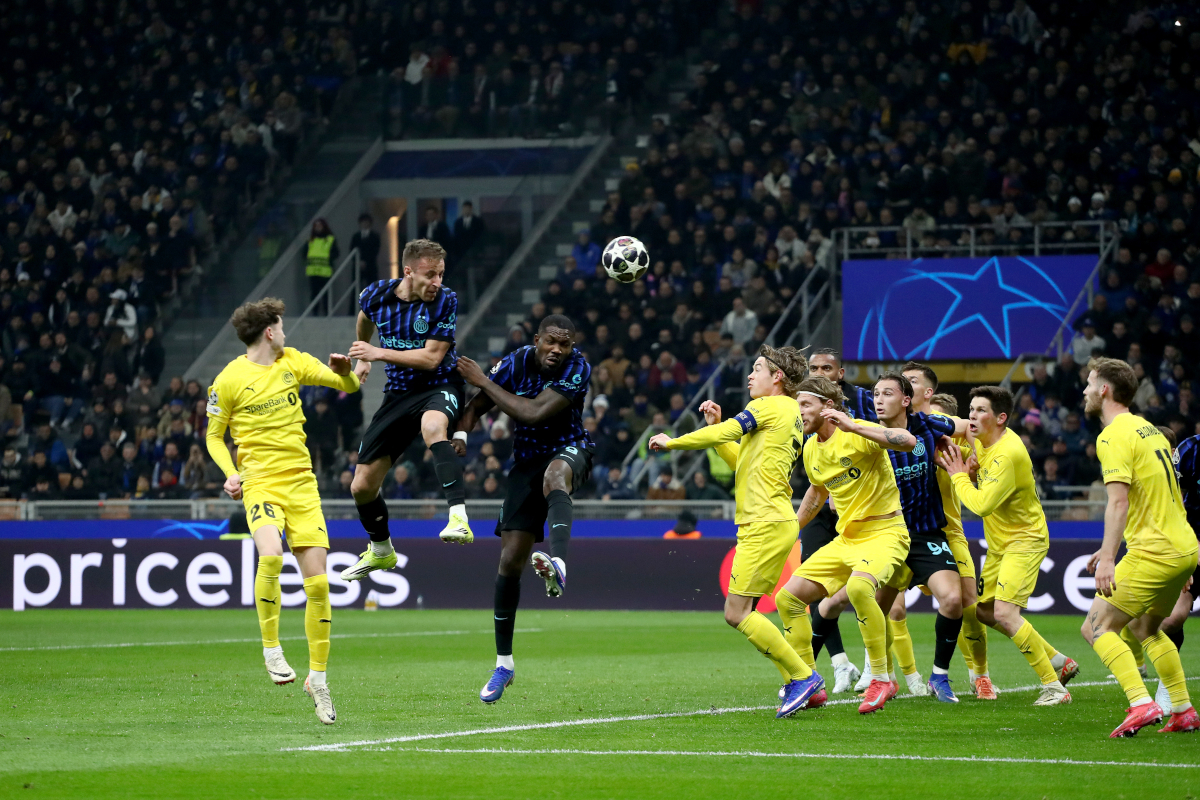
In credit to Chivu, there is not much more that his Inter players could have done during the first hour of the second leg against Bodo/Glimt on Tuesday night. During the first 60 minutes, Inter registered 23 shots, had 10 corners while Bodo had zero and registered a whopping 45 attacking moves compared to Bodo’s seven.
However, what did become clear is that Inter did not find it easy attacking against a team that was content to deploy 11 players behind the ball in their own half in a low block.
Inter needed to be that bit quicker and more incisive with their passing and movement in and around the final third, because despite the fact that they registered 33 shots after the 90 minutes, only six ended up on target. For comparison, Bodo/Glimt ended up with five shots on target from seven total attempts.
3. A different pace to the game
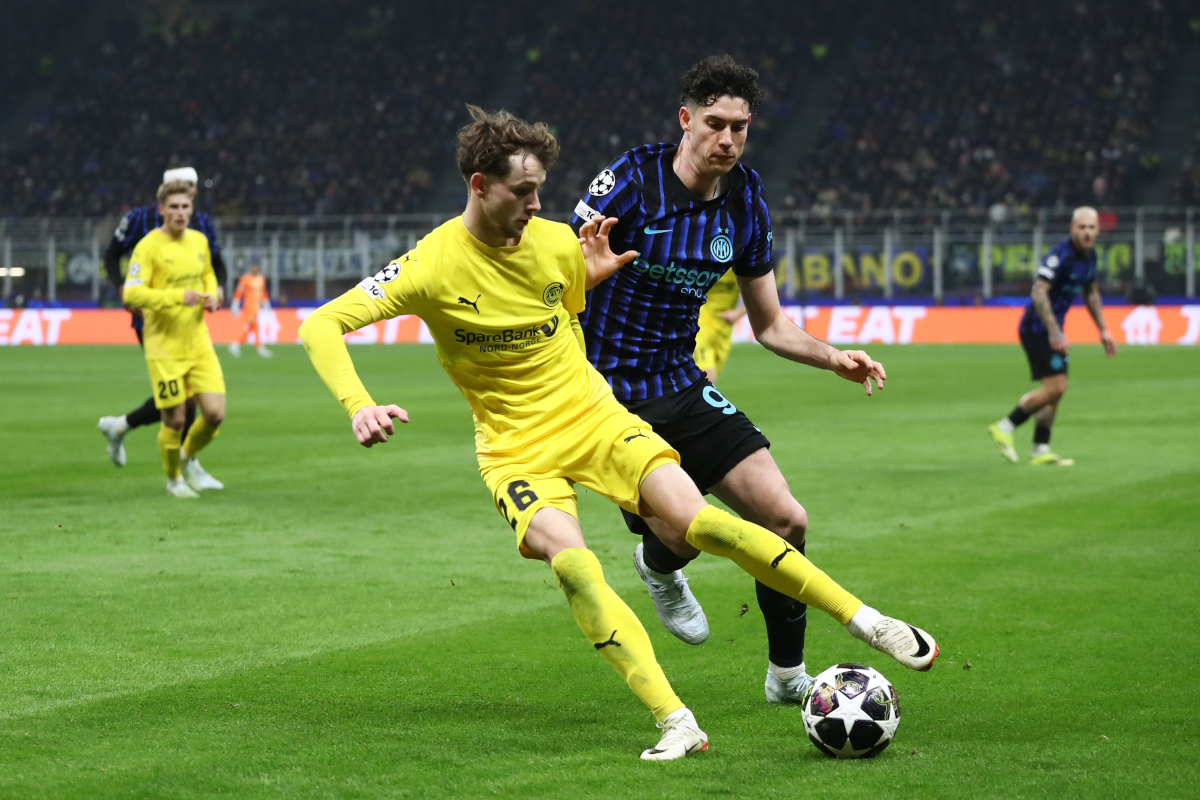
Questions have also been asked about Inter’s ability to match the pace and intensity of some of their European competitors.
As Fabio Capello recently explained to La Gazzetta dello Sport: “Italian teams play at a slow pace. When they find teams that play press-and-run, they don’t have the quality, aren’t accustomed to playing at a high pace, and make mistakes.”
Bodo/Glimt were very compact in their defensive shape, but were also rapid in transition and were regularly able to trouble Inter with their speed with the likes of Patrick Berg, Hauge and Ole Didrik Blomberg.
This is an issue that does not only affect Inter, but Italian football in general according to the experts.
“Right now, we are not accustomed to being aggressive. As soon as they increase the pace in Serie A, they are stopped because a challenge is too hard, a player’s ear is touched, and they go down. These are the results,” said Capello.
“We play at a slow pace, unfortunately, and when it happens, it’s hard to be dangerous.”
Source From: Football Italia
Source link
- Empowering Entrepreneurs with WindigiMarketing: A Guide to Online Success
- Navigating Affiliate Marketing Success with WindigiMarketing.com
- Sonic Review – The World #1 App Allows You To Launch Your Own AI Streaming Platform Preloaded With Over 100 Million Artists, Playlists, Podcasts, Genres, Audiobooks & Radio Channel And Tap Into 600 Million Paid Members!
- Voixr Review – The #1 Emotional-Based-Human-Like Voice Cloning AI Powered App Cloning and Speaking In 1,800+ Voices With 144 Native Languages Instantly Without Recording or Any Tech Skills!
- SiteRobot AI Review – The #1 AI-Powered App Let Us Build Complete Websites + Contents Instantly By Using Just Your Keyword!